Articles
Designing Remote Monitoring Devices for Harsh Environments
Mar 10, 2026
Environmental chamber testing for remote monitoring devices using the Tenny Twenty, including extreme temperature and humidity validation
Environmental Testing
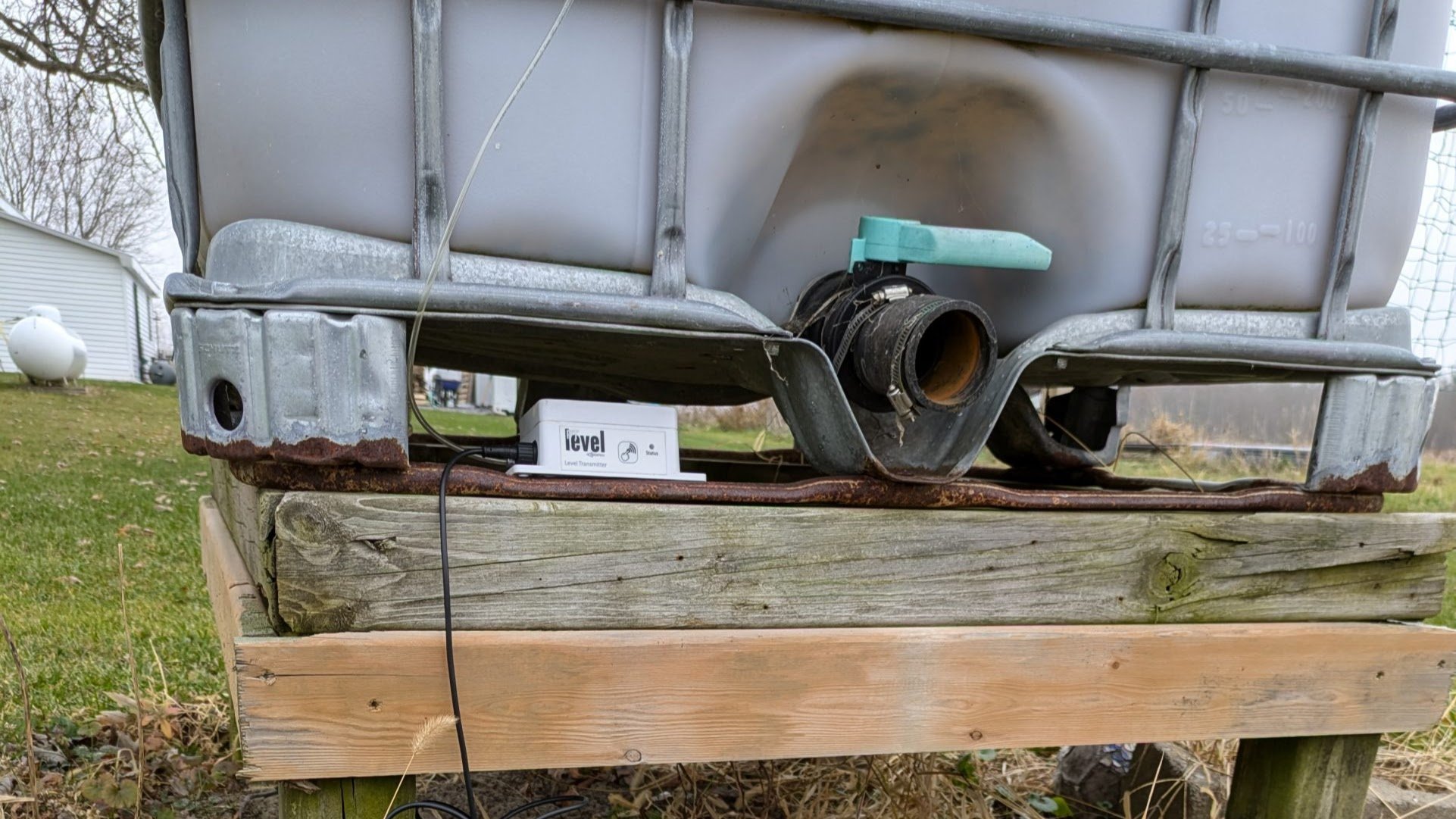
Remote monitoring devices are often deployed in environments that are unpredictable, unconditioned, and difficult to access. At ParemTech Inc., our PTLevel liquid level monitoring devices are installed in cisterns, water wells, tanks, basement sumps, and other infrastructure where exposure to extreme temperatures, elevated humidity, and seasonal environmental cycling is unavoidable.
The PTLevel is designed as a long-duration, battery-powered monitoring solution, with a two-year warranty, multi-year battery life using four AA batteries, long-range wireless communication up to 1 km, and an operating temperature range of −40°C to +85°C (−40°F to 185°F). The system is engineered to be weather resistant and capable of reliable operation in outdoor and unconditioned environments.
In these applications, reliability is not optional. A device failure can result in water outages, flooding, or costly emergency service calls, often in locations that are remote or unattended for extended periods of time. To ensure long-term performance under these conditions, we rely on controlled, repeatable environmental testing using a Tenney Twenty Environmental Chamber.
Overview of the PTLevel Monitoring System
The PTLevel is a battery-powered remote liquid level monitoring system designed for long-duration deployments with minimal user interaction. Typical installations include:
Outdoor in harsh environments including high humidity
Underground cisterns and wells
High-humidity pump rooms
Cold-climate installations exposed to sub-freezing temperatures, freezing rain, ice, snow…
Meeting these requirements requires extensive environmental validation beyond basic functional testing.
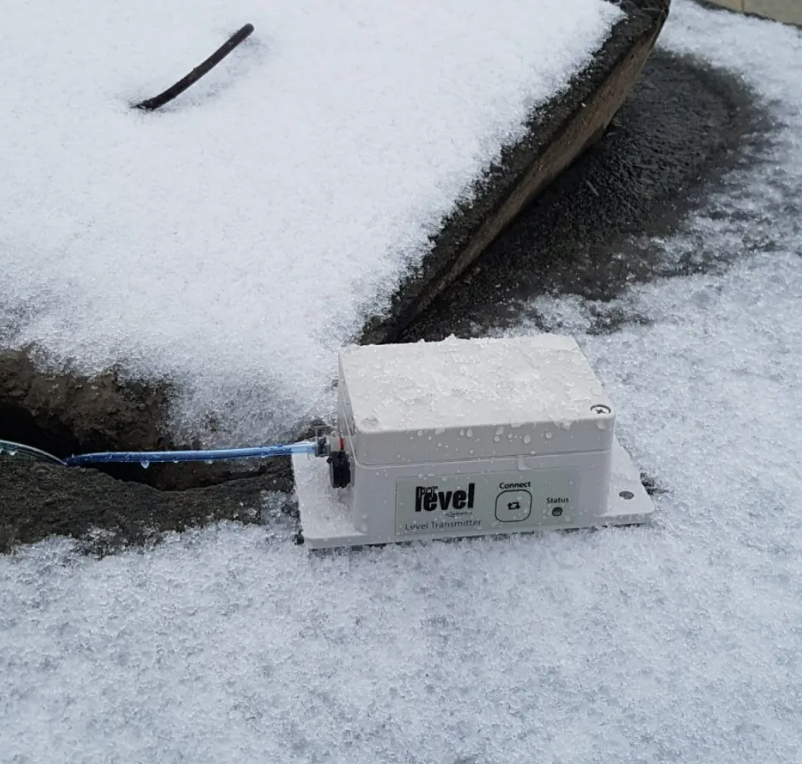
Key Outdoor Device Design Requirements Include:
2+ year battery life with 4xAA batteries
Stable pressure sensor accuracy
Reliable wireless communication
Long-term enclosure integrity
Why Environmental Chamber Testing Is Critical for Battery-Powered IoT Devices
Environmental chamber testing allows us to simulate years of seasonal exposure in a controlled laboratory environment. For battery-powered IoT devices like the PTLevel, temperature and humidity directly affect:
Battery chemistry and discharge behavior
Electronic component stability
Sensor drift and accuracy
Enclosure sealing and material performance
Wireless signal reliability
Testing under controlled extremes allows us to identify failure modes early and validate design margins before products are deployed in the field.
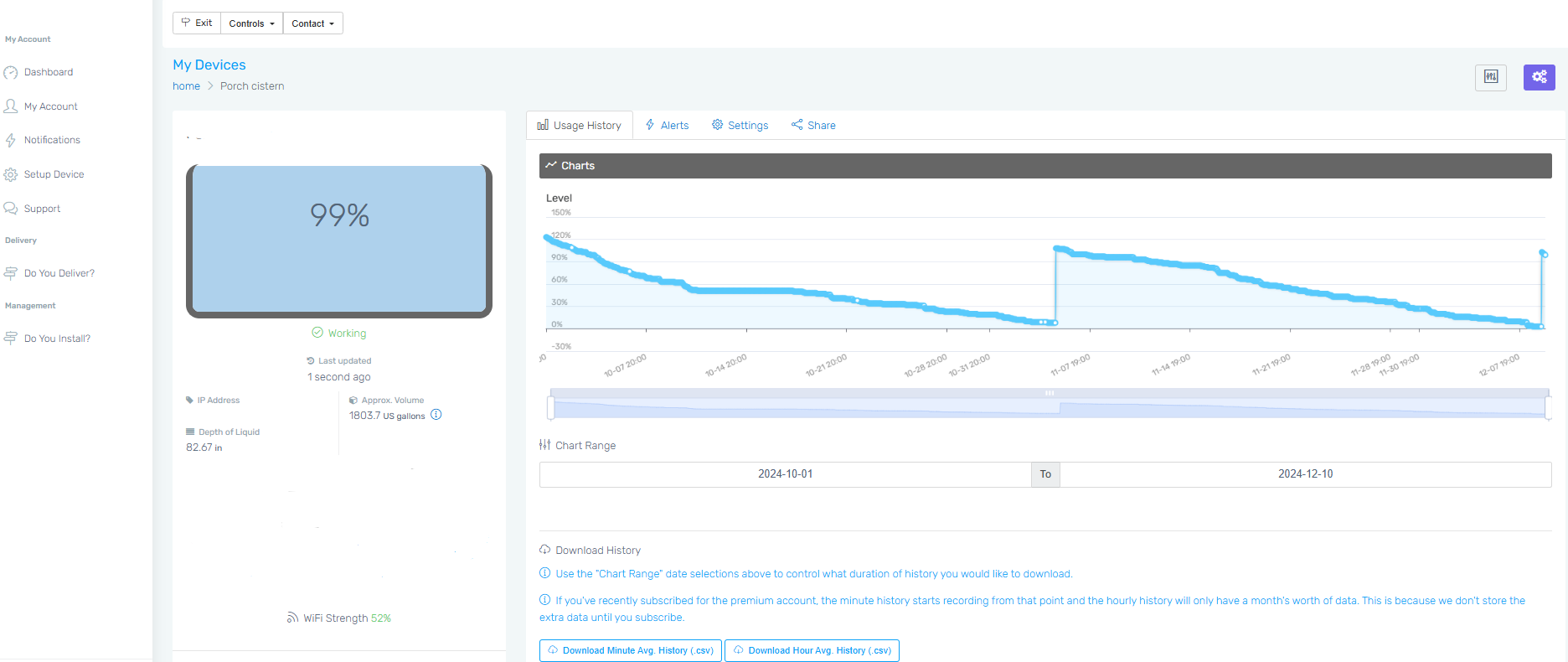
Key specifications of the Tenney Twenty include:
Temperature range:
−35°C to +200°C
−35°C to +180°C with humidity enabled
Humidity range: 20% to 95% relative humidity (RH)
This wide operating envelope allows us to conduct both extreme condition testing and long-duration soak testing under realistic environmental loads.
The Tenney Twenty Environmental Chamber in Our Test Process
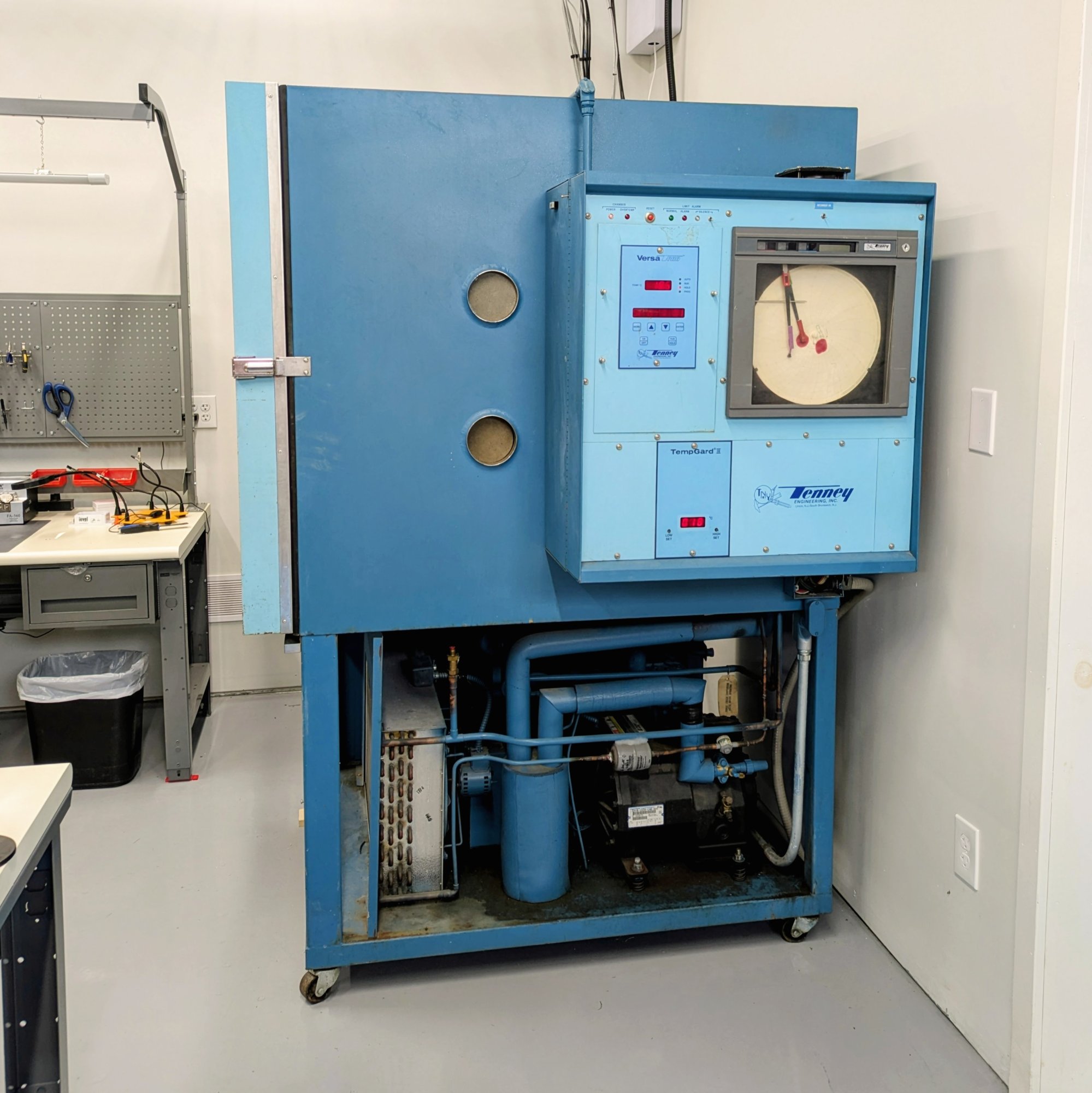
To support our testing requirements, ParemTech uses a Tenney Twenty Environmental Chamber, which provides the flexibility and precision needed for electronics and sensor validation.
Key specifications of the Tenney Twenty include:
Temperature range:
−35°C to +200°C
−35°C to +180°C with humidity enabled
Humidity range: 20% to 95% relative humidity (RH)
This wide operating envelope allows us to conduct both extreme condition testing and long-duration soak testing under realistic environmental loads.
Low-Temperature Testing: Validating Cold-Weather Performance
Cold temperatures present one of the most challenging operating conditions for remote monitoring devices, particularly in northern climates.
Using the Tenney Twenty, we perform low-temperature testing down to −35°C, focusing on:
Battery voltage stability and capacity loss
Cold-start behavior after extended exposure
Pressure sensor response and repeatability
Mechanical effects such as material contraction and seal performance
Cold testing is essential for validating winter operation in unheated wells, cisterns, and outdoor installations where devices may remain dormant for long periods before transmitting data.
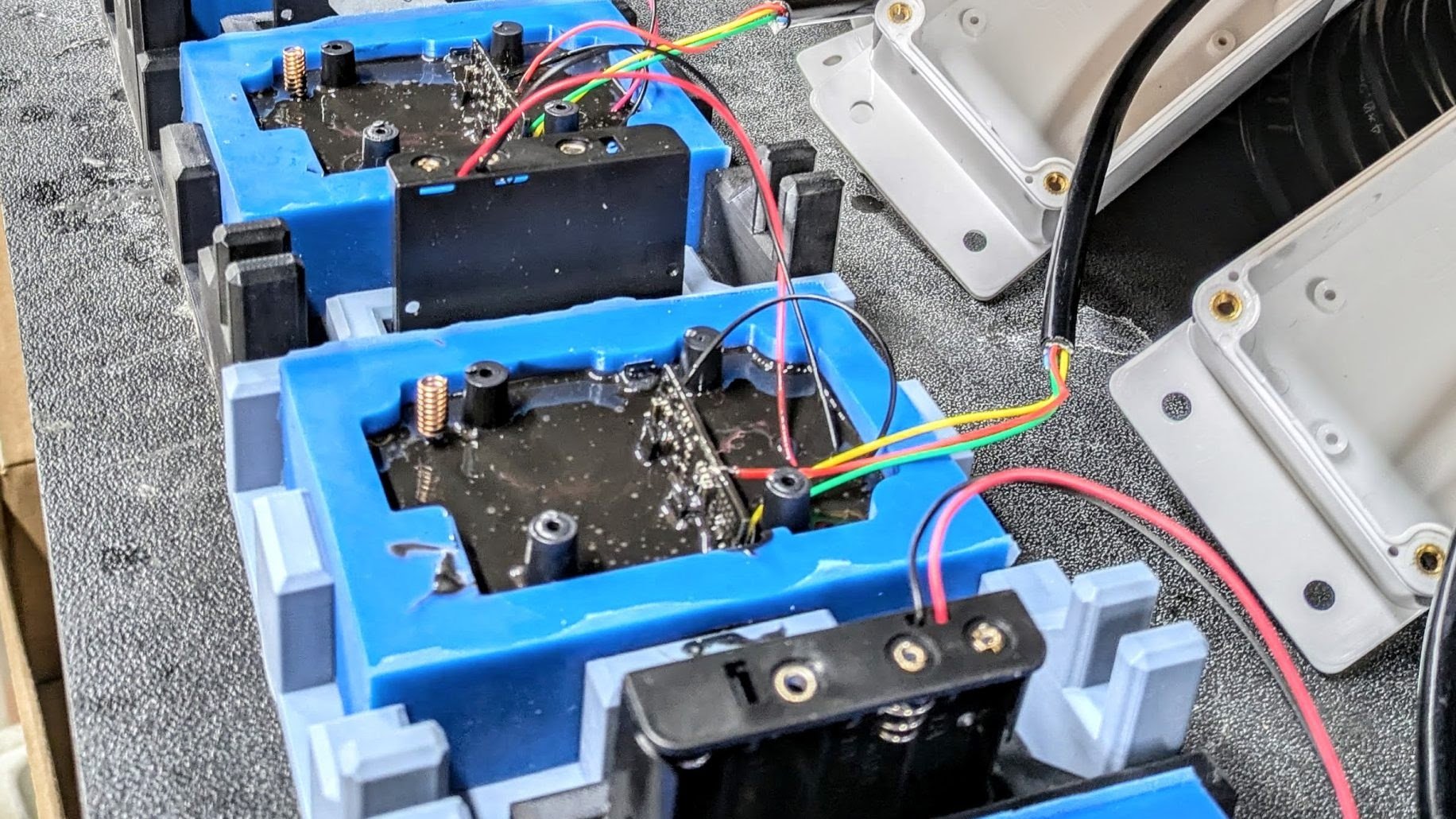
In 2024 we began evaluating potting a select line of our PTLevel products, the Deep Well PTLevels with stainless steel sensor. These would be our most robust devices, installed in the harshest conditions, and requiring the least amount of maintenance. With the feedback and information received from our environment testing, we were able to determine the best potting compounds to use, and curing times needed, for this enhancement.
High-Temperature Testing: Ensuring Stability in Hot Environments
High-temperature testing is equally important, especially for devices installed in:
Utility rooms
Pump houses
Enclosures exposed to direct sunlight
Harsh and hot weather systems in southern climates
Using the chamber’s high-temperature capability, up to +200°C (or +180°C with humidity), we evaluate:
Electronic component derating margins
Long-term enclosure material stability
Sensor performance under thermal stress
Battery safety and protection behavior
These tests help confirm that the PTLevel maintains performance and safety under elevated temperatures well beyond typical field conditions.
Humidity Testing: Simulating Damp and Condensing Environments
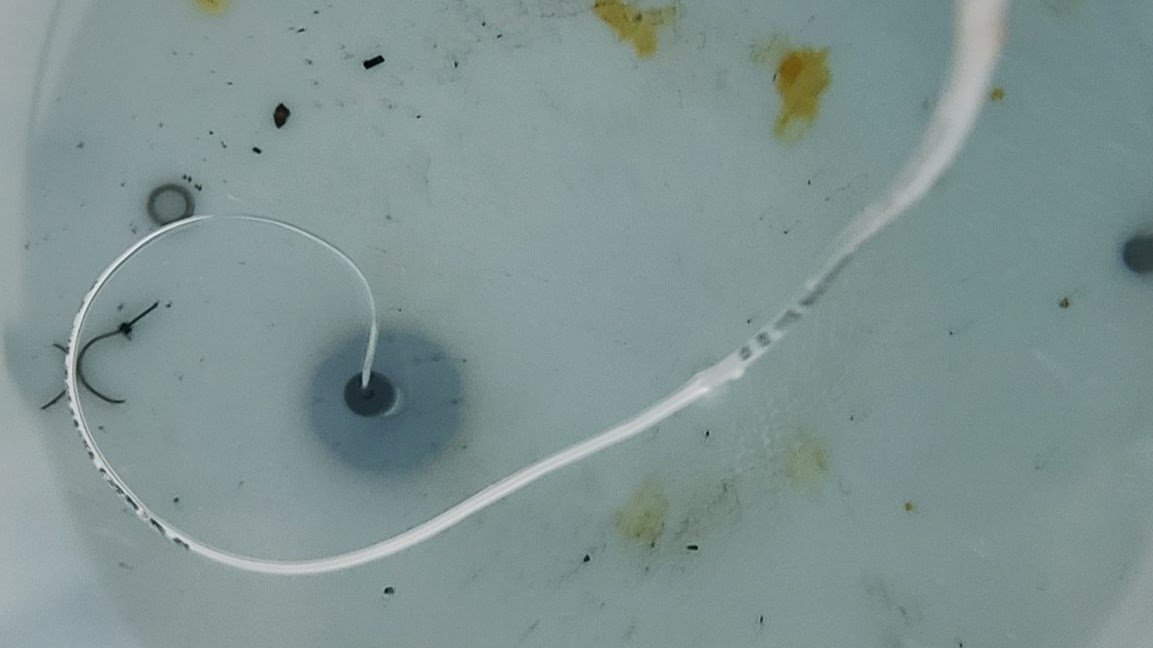
Many PTLevel installations are exposed to persistent moisture, including condensation and high ambient humidity. Using the Tenney Twenty’s 20%–95% RH humidity control, we conduct testing to assess:
Seal integrity under high humidity
Resistance to condensation-related failures
Corrosion risk to electronic components
Long-term sensor stability in damp environments
Humidity testing is especially important for underground installations where airflow is limited and moisture levels remain
Temperature and Humidity Cycling for Long-Term Reliability
Beyond static conditions, we also perform temperature and humidity cycling tests to simulate real-world seasonal transitions. These tests help identify:
Fatigue-related material failures
Seal degradation over time
Drift in sensor calibration
Performance changes caused by repeated thermal expansion and contraction
The repeatability of the Tenney Twenty allows us to correlate laboratory results with real-world field data collected from deployed devices.
Translating Chamber Data into Product Improvements
Environmental testing is not simply a pass/fail exercise. Data collected from the Tenney Twenty directly informs design decisions, including:
Battery selection and power management algorithms
Enclosure materials and sealing methods
Firmware behavior during temperature extremes
Installation recommendations for end users
This data-driven approach allows us to continuously improve the PTLevel product line while reducing long-term failure rates and warranty issues. Since we provide a 2 year warranty on all of our products, ensuring long term success of each device is imperative to our company’s success.
Environmental Testing as a Design Tool, Not a Checkbox
For remote monitoring and IoT devices, environmental testing should be integrated into the design process, not treated as a final compliance step. The ability to recreate extreme temperature and humidity conditions in a controlled environment enables faster iteration, better reliability, and greater confidence in field deployments.
The Tenney Twenty Environmental Chamber provides the precision, range, and repeatability required to support this level of engineering validation.
Conclusion: Shared Commitment to Product Reliability
At ParemTech, our goal is to deliver remote monitoring solutions that perform reliably in the environments where they are actually used, not just in ideal laboratory conditions. The Tenney Twenty Environmental Chamber plays a critical role in helping us validate that performance across extreme temperatures and humidity levels.
By combining real-world field feedback with controlled environmental testing, we are able to deliver a robust PTLevel product line designed for long-term reliability in demanding applications.
About ParemTech Inc.
ParemTech Inc. designs and manufactures remote liquid level monitoring solutions for cisterns, wells, tanks, rain water collection, chemical tanks, and basement sumps. Based in Canada, the company focuses on long-range wireless technology, battery efficiency, and rugged design for harsh environmental conditions.